After kicking off my buttercream flower piping challenge with the first ten blooms, I couldn’t wait to keep going and I definitely felt like I leveled up in Part 2. While I revisited flowers I’ve piped before, like the sunflower, it’s always great to refine and perfect the technique.
Over the past month, I’ve piped eight more buttercream flowers (instead of the ten I originally planned, life got deliciously busy with some exciting new projects coming soon!). Each one gave me a chance to practice mindfulness and really feel out each petal shape. It’s amazing how slowing down transforms the whole experience—and the results!
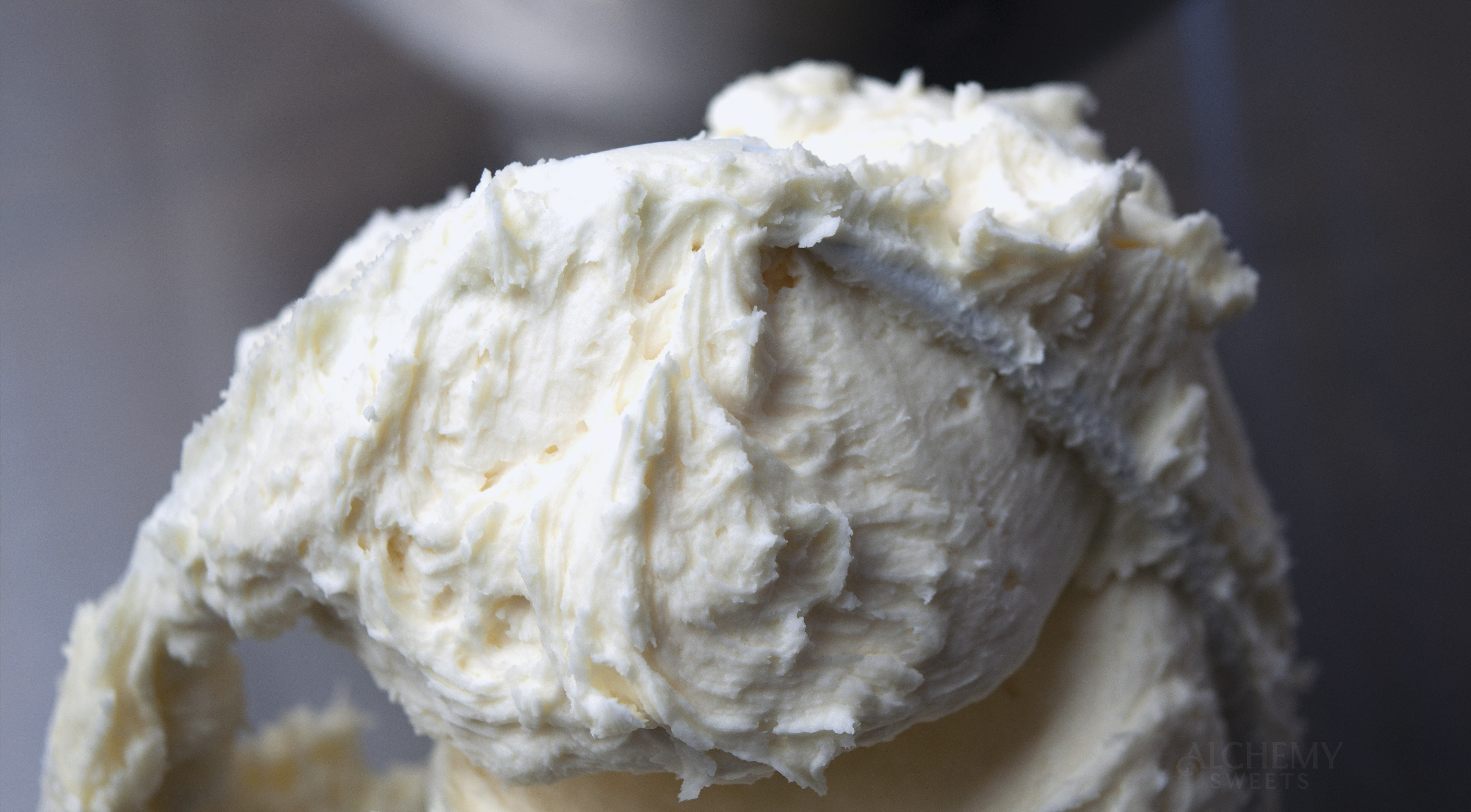
I promised myself I’d be more intentional with these designs, using fresh buttercream and proper planning instead of using up leftovers, especially in the way that I did in Part 1. Leftover buttercream is totally fine, if it’s stored well and used with intention but mixing different types together and using older batches led to muddy colors and unpredictable results. And (obviously) this more intentional approach really made all the difference! I made a fresh batch of buttercream for these flowers and reused it among them all, giving me much more consistent results to work with. Buttercream recipe here.
Want to see these buttercream flowers come to life? Check out my video below! It’s a mix of real-time and time-lapse clips that show how each bloom came together.
Let’s dive into flowers #11-18 of my 100+ Buttercream Flower Challenge!
JUMP TO
The Next 8 Buttercream Flowers
English Rose
★★★★½ (4.5/5 difficulty) | Wilton #123

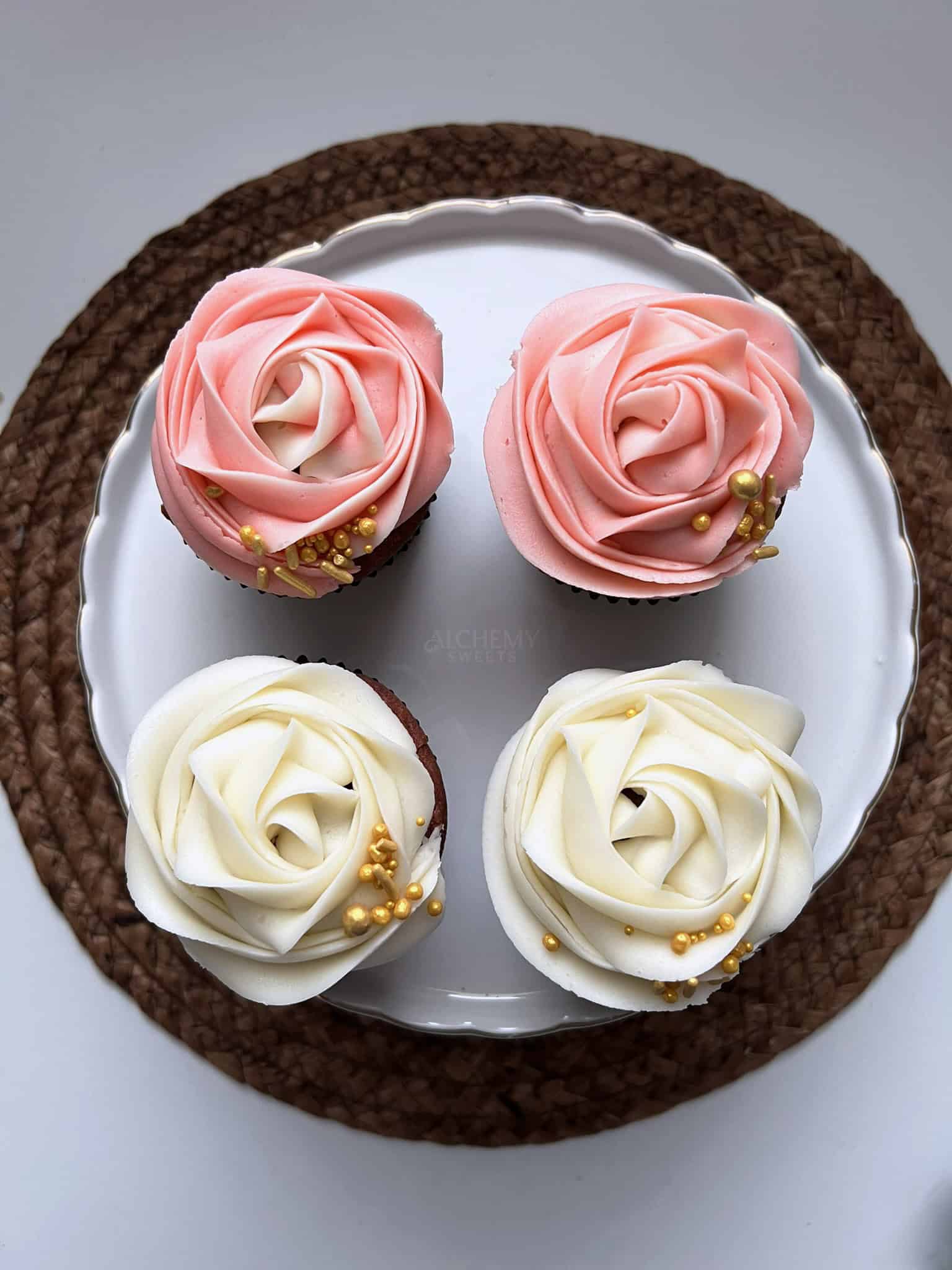
These are one of my favorite things to pipe, so romantic and layered. I started with tight center petals and gradually opened them up, creating soft, slightly unfurled edges. The peachy-pink tone gave them such a nice, vintage vibe. LOVE THESE! Love love love.
What I learned: Placement matters. If the center isn’t sturdy or the outer petals get too relaxed, things start to droop fast. Slowing down helped. I still rushed a little (working on that!), but even so, I love how they turned out.
These would be perfect for: Elegant bouquets or as a statement bloom on a tiered cake.
Ranunculus
★★★★☆ (4/5 difficulty) | Wilton #104/123

Ranunculus are so beautiful. I went with a yellow outer and a soft mint green inside for contrast. I like the combination, though next time I’ll focus more on creating an arch as I pipe each petal for that classic ranunculus shape.
What I learned: My biggest challenge was getting the outer petals to hold their shape. They kept sinking down a bit, and I realized it was because I hadn’t built up enough support underneath. Layering really matters with this flower, each round sets the stage for the next. Once I focused on creating a stronger base, things came together more cleanly. (you can see the progression in the photos…)
These would be perfect for: Spring arrangements with soft greens and pastels.
Scabiosa
★★★★☆ (4/5 difficulty) | Wilton #104/81

I played around with the petal shape and layers, and I found that 2 layers worked best. I’d definitely try a softer color combo next time, but these ones were fun and playful! For the center, I reused some of the green from the ranunculus, which added a nice touch. Also the version I piped isn’t a full bloom, next time!
What I learned: The key challenge here was really finding that frilly petal shape (which I still didn’t get quite right). The balance between soft and firm pressure was crucial for the frill to hold its shape. Also, having a buttercream that isn’t too soft is essential for better control over the shape.
These would be perfect for: Statement pieces that bring a little wildflower energy to any arrangement.
Tulip
★★☆☆☆ (2/5 difficulty) | Wilton #123

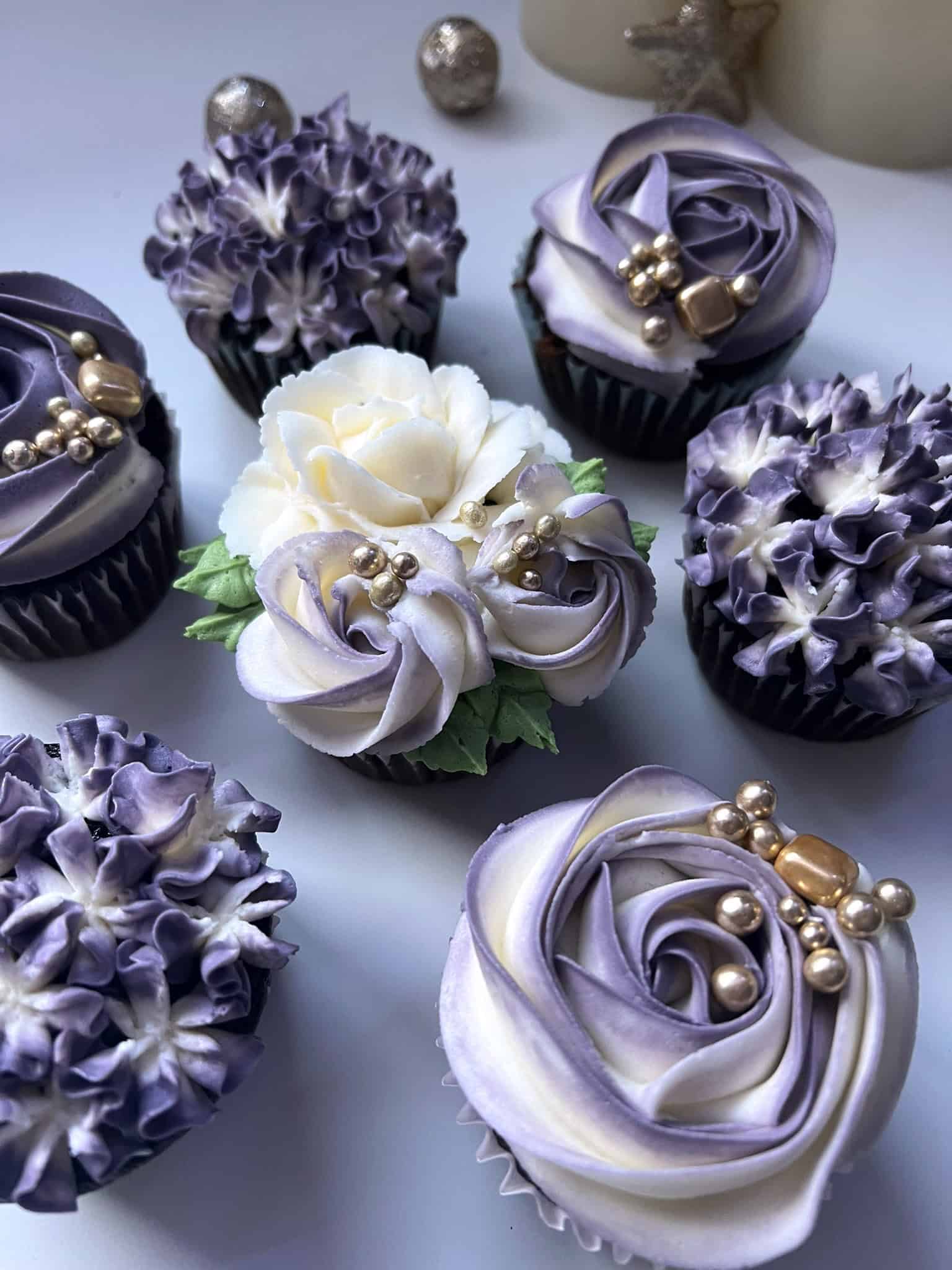
I tried a different motion for the tulip petals this time, and while they looked a bit crazy individually, when grouped together in a cluster, they didn’t look too bad! I totally zoned out while piping these and sort of went rogue. But can we appreciate that color variation?! I added various shades of purple to one piping bag and as I piped, I got this beautiful gradient effect across the tulips.
What I learned: Even when I’m on autopilot, something magical can happen. These ombré tulips reminded me that sometimes the best results come when I’m not overthinking every move. And that gradient technique is definitely one I’ll be using again!
These would be perfect for: A spring bouquet or as a vibrant addition to a floral cake design.
Daffodil
★★★☆☆ (3/5 difficulty) | Wilton #104/233

A true spring classic. I did soft white petals with a yellow-orange trumpet center, and it really popped. Just a side note: this tone of orange is the best. Tangerine orange?
What I learned: Proportions matter. Too much trumpet and the flower feels top-heavy (or like it’s yelling at you… or maybe like Birdo from Mario?). Finding that sweet spot between dramatic and demure is key for these spring favorites.
These would be perfect for: Easter cakes or sunny spring bakes. (check out my easter cupcakes here!)
Frangipani (Plumeria)
★★½☆☆ (2.5/5 difficulty) | Wilton #104

Five overlapping petals, white with a peachy gradient toward the middle, these instantly make me think of summer. I had never even heard of frangipanis before this challenge (hello, flower education!), but now I’m obsessed with their simple yet striking appearance.
What I learned: The overlap and subtle color fade are what make these flowers special. Without those elements, they lose that lovely pinwheel effect that makes them so distinctive. Sometimes going into a design with fresh eyes (and zero expectations) leads to the most satisfying results!
These would be perfect for: Beachy themes, summer cakes, or anything with tropical flair.
Sunflower (on a cupcake!)
★★★☆☆ (3/5 difficulty) | Wilton #352/13

These are one of my go-to flowers to pipe. This version shows a more “closed” and “blooming” look, but I also love piping them in ways that show the different stages of petals opening up. Sometimes I’m not even sure if I’m consciously choosing which stage to create—my hands just seem to know what they want to do!
What I learned: I need to pipe more. There’s something so addictive about creating these cheerful blooms that I just can’t get enough of them!
These would be perfect for: These would be perfect for: Everything! Garden parties, BBQs, or anytime you need a little sunshine on a cupcake. Check out the full tutorial here to pipe your own!
Lisianthus (also on a cupcake)
★★★☆ ☆ (3/5 difficulty) | Wilton #150/2

My first time trying this flower, and I love it! Not because purple is my favorite color…but because I just love flowers that have clusters and a mess of petals. I piped a rich purple lisianthus with soft yellow stamens and green leaves around the base. It looked so elegant nestled into the cupcake.
What I learned: These take a bit of maneuvering to pipe all the petals around each flower (if doing multiple on one cupcake like I did here) I may pipe them individually on a flower nail and place them on the cupcake after the buttercream sets, just so I can have an even distribution of petal rows on each flower.
These would be perfect for: Elegant cupcake bouquets or wedding shower treats.
Notes from the Piping Table
After completing flowers #11-18, I’ve gathered some valuable insights:
Consistency is everything: Firmer buttercream worked better for detail-heavy blooms like the scabiosa, while lisianthus actually worked well with something a little softer.
Color doesn’t have to be complicated: Even without dual-tone piping bags, simple contrasts made a big impact (like yellow petals + green leaves).
Slowing down helps: I noticed a big difference when I stopped rushing and focused on piping each petal with more intention. Finding a steadier pace gave me more control and helped each petal keep its shape.
What’s Coming Next
I already have a running list of flowers I want to try next (plus a few wildcards I’ve never seen piped before). Stay tuned for Part 3—and if you want to see the buttercream flower piping in action, don’t forget to check out the YouTube video!
Join Me on This Buttercream flower piping Journey!
If you’re following along or joining the challenge yourself, don’t forget to tag me on Instagram, YouTube, or TikTok, I would love to see your beautiful buttercream blooms too!
If you missed Part 1, you can catch up with the first ten flowers in my buttercream flower piping challenge to see where this journey began! You can also watch my Part 1 video tutorial to see those flowers come to life.
For more buttercream flower piping content, subscribe to my YouTube channel for weekly tutorials, tips, and behind-the-scenes peeks at my buttercream adventures.
Stay tuned for Part 3. The buttercream flower adventure continues!
Happy decorating!