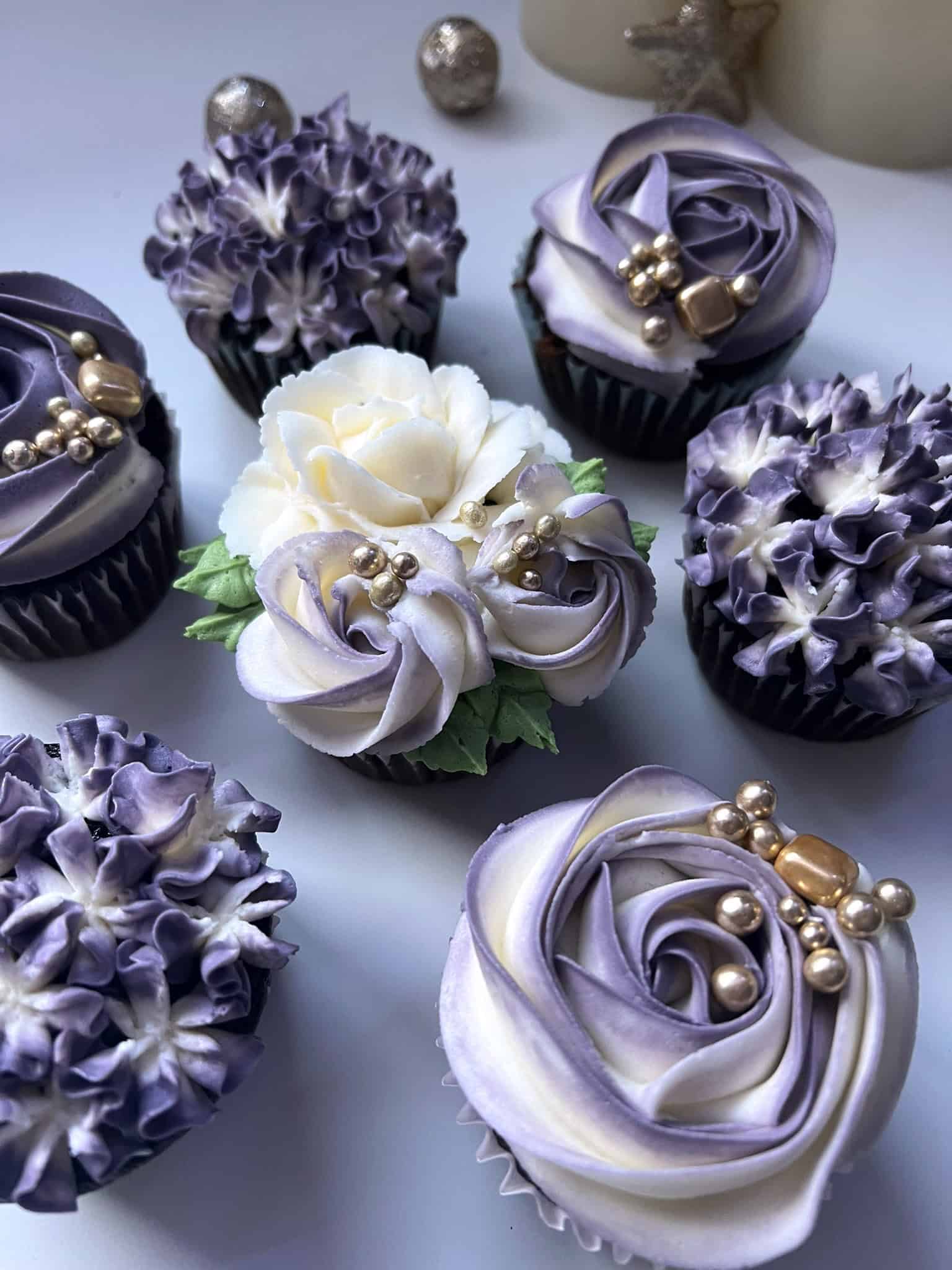
I’ve loved cake decorating for over a decade but here’s the truth: I haven’t actually practiced for that entire time.
Why? Because baking a whole cake, whipping up butter-based buttercream, and potentially wasting it all felt like too much. Especially since I’m not even a huge fan of eating cake, I just love decorating it! So for years, I’d watch tutorials, admire other decorators’ work, and dream about trying new techniques…but never actually sat down and practiced.
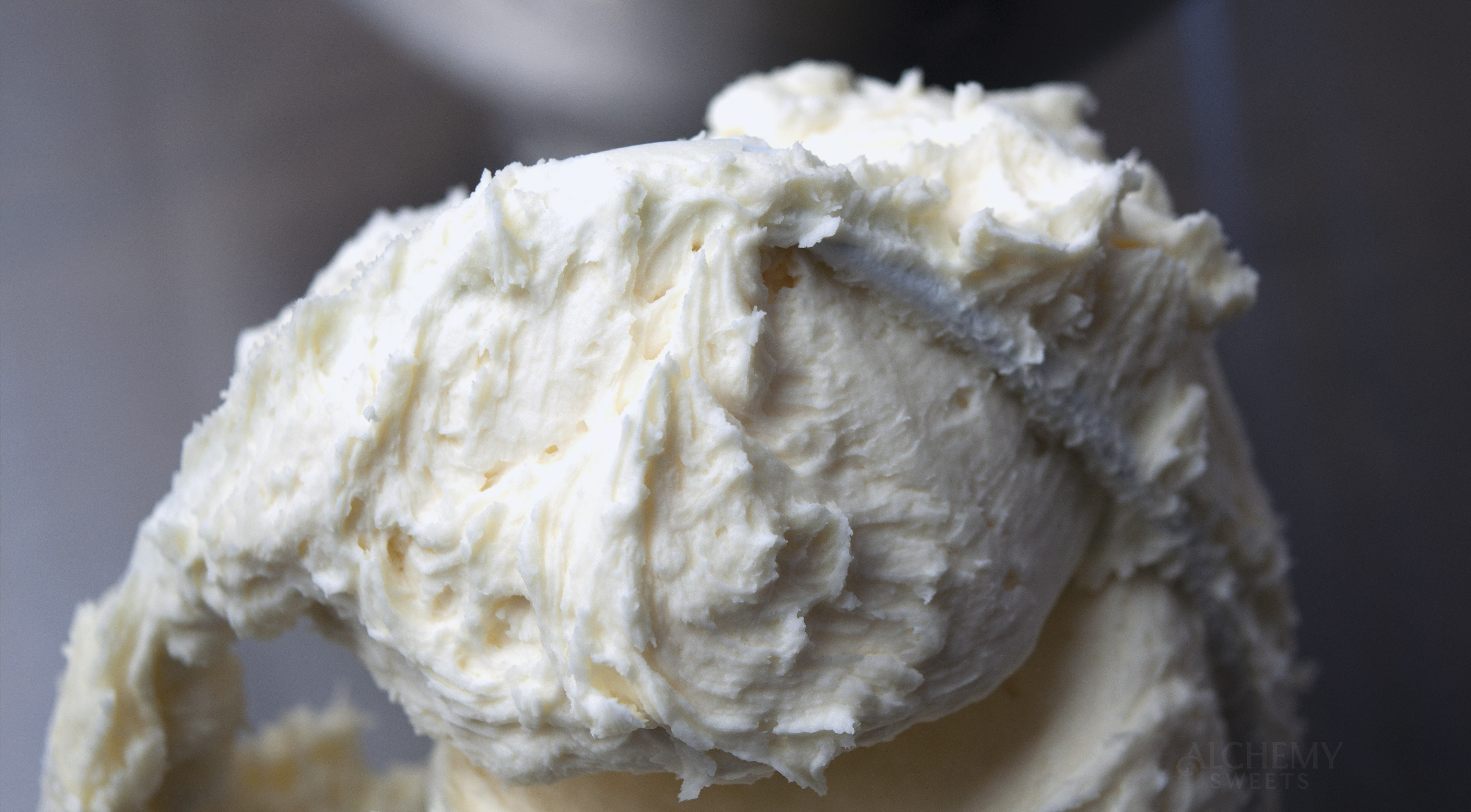
Then I had a lightbulb moment: a buttercream made with margarine instead of butter, duh. It was the perfect solution to use for practice cakes and trying out new techniques at a cheaper price point. Pairing this with my dummy cakes and dummy cupcakes makes it the most cost-effective way to practice.
Why It Works for Practice
When you’re working with expensive ingredients, every mistake feels costly. With practice buttercream, you can pipe, scrape, and re-pipe without breaking the bank. That freedom means you’ll actually practice more, at least that’s what it meant for me. It’s also perfect for content creation, testing color combinations, or just keeping your skills sharp between real projects.
It does soften a bit faster than traditional buttercream but honestly, butter-based buttercream softens too, especially in a warm kitchen. It’s not really a dealbreaker, just something to be aware of.
The main cost is the powdered sugar, which varies a lot depending on where you shop. I grab mine from Bulk Barn, but keep in mind that bulk powdered sugar typically doesn’t contain cornstarch, so sifting is a must.

What You’ll Need
Tools & Equipment:
- Stand or hand mixer
- Food scale
- Spatula
Ingredients:
- 450g baking margarine – make sure it’s block/baking margarine, not spreadable. Spreadable has too much water and won’t hold its shape for decorating.
- 500g–1kg powdered sugar – sifting is always a good idea, but especially if yours doesn’t contain cornstarch. Many bulk or store-brand icing sugars skip the cornstarch (which is normally added to prevent clumping), so sifting prevents lumps in your buttercream.
Instructions
- Beat margarine until light and fluffy.
- Add sifted powdered sugar one cup at a time, mixing on low until combined.
- Beat on high until smooth and fluffy.

Tips for Working With Practice Buttercream
Margarine might be softer than expected: One thing you may run into, especially if you’re in Canada: your margarine block might be very soft, even straight from the fridge. I noticed this myself and did a bit of research, it turns out manufacturers for Canadian product use non-hydrogenated fats that stay soft or semi-liquid even at cold temperatures. If that’s the case, just add extra powdered sugar or cornstarch to stiffen things up. It makes a big difference for detailed work like buttercream flowers. That said, the softer consistency is great as-is!
Color bleeds: When it gets too warm via handling it for too long or leaving it out at room temperature for too long. This is just the water and pigment separating from the sugar, this happens with regular buttercream as well, but since margarine is more water based, there is more chance of it happening with this.
Colors may appear more muted: In my experience, colors don’t come out quite as deep or saturated as they would with a butter based buttercream – just something to keep in mind when you’re working with this.
Expect a drier, less tacky texture: This buttercream can be less tacky than traditional butter-based frosting, so sprinkles and sugar decorations may not adhere as well, especially if it’s been sitting out. Work with it fresh and keep it cool for best results.
How I Use This
I use this for pretty much anything that keeps my hands busy: buttercream flowers, icing cakes, swirls, borders, drop lines, vintage piping. Basically any technique I want to try or get better at.
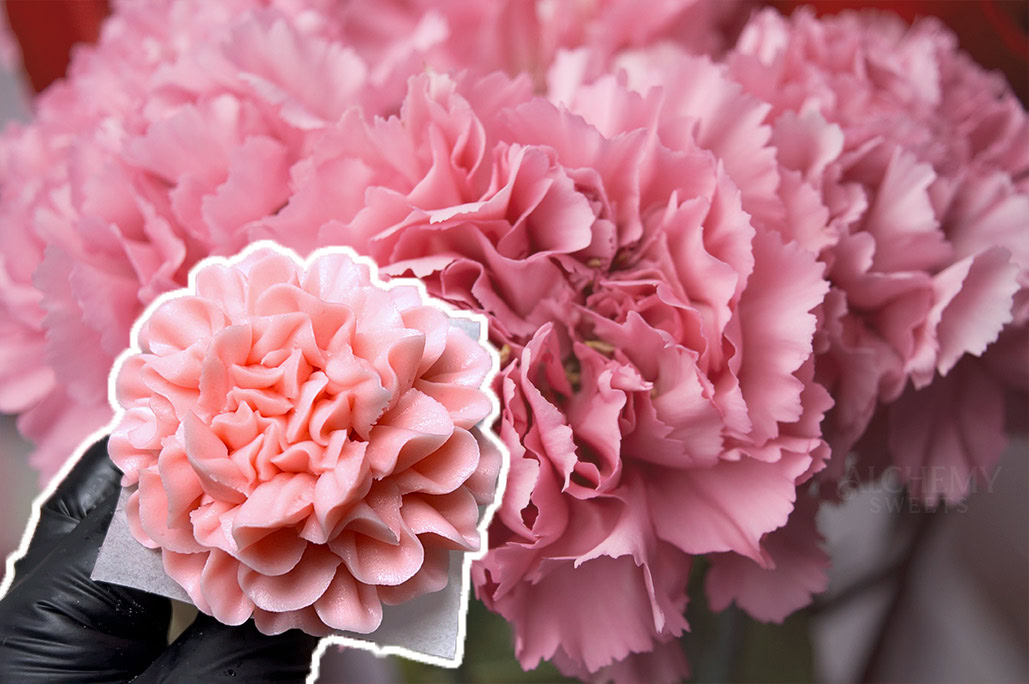
In fact, every single flower in my 100+ Buttercream Flower Challenge Part 4 (Wildflowers) was piped using practice buttercream, so if you want to see what this buttercream looks like piping flowers, that’s a great place to start.
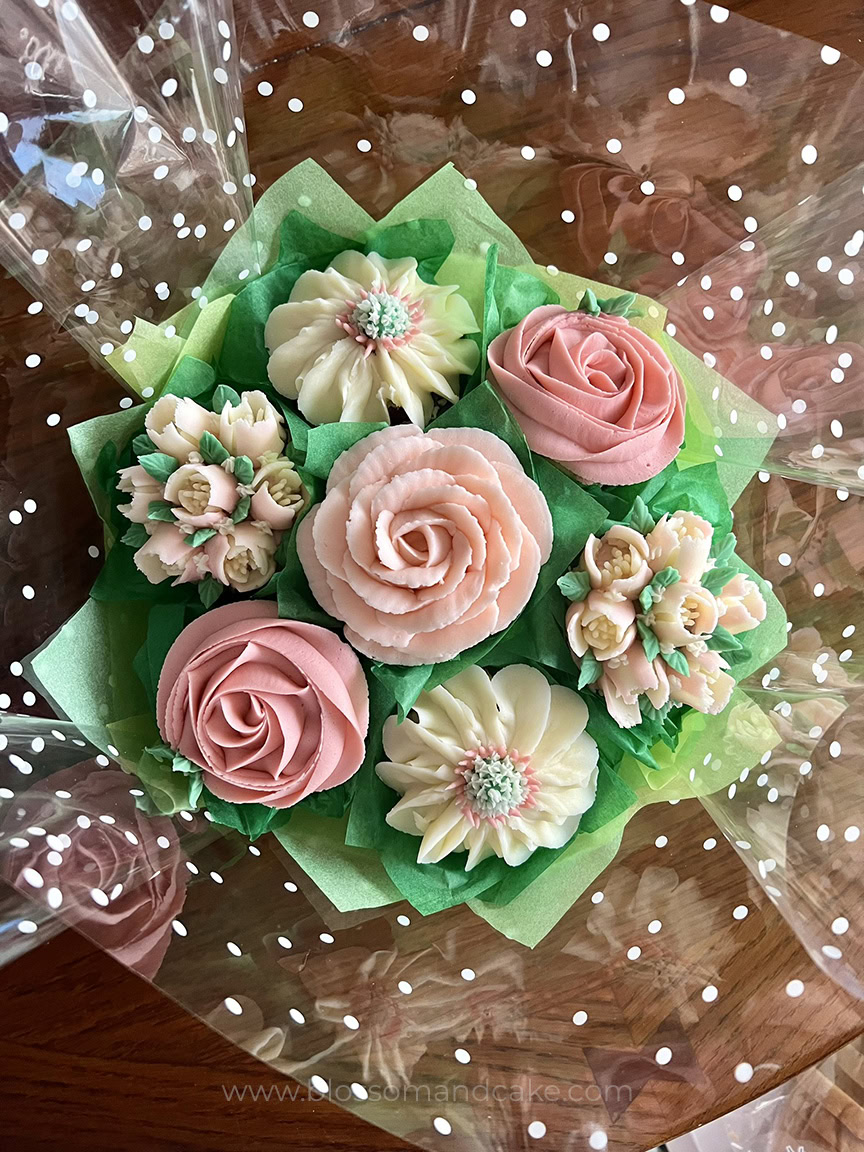
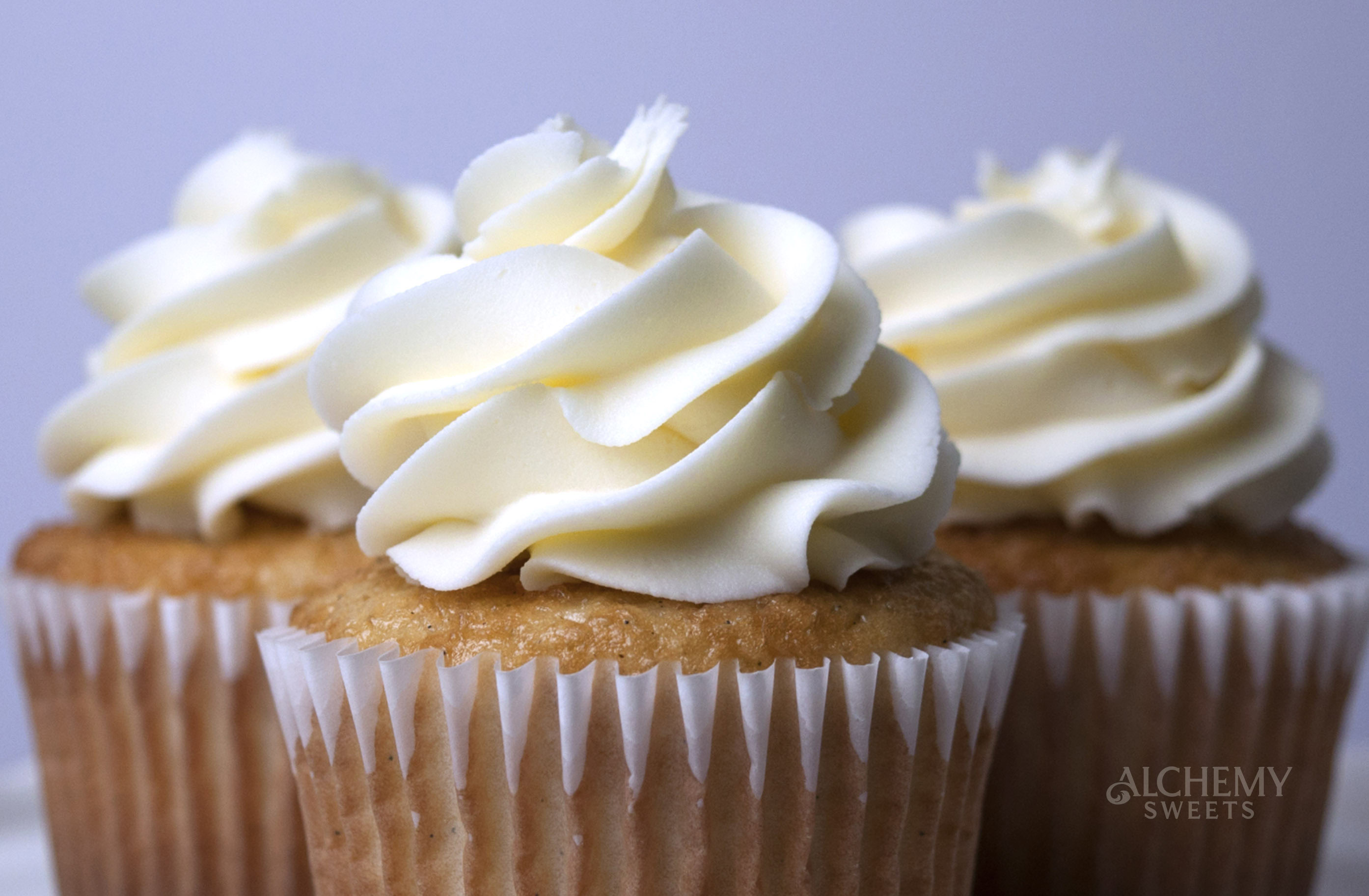
I used this practice buttercream for my Easter basket and nest cupcakes the consistency used was 450g margarine to 1kg powdered sugar.

The Bottom Line
Plenty of bakers use margarine-based buttercream for their actual cakes and swear by it, I’m just using it here specifically as a no-guilt practice medium.
Do you practice cake decorating? I’d love to know what you use, or what’s been holding you back from practicing more. And if you try this recipe (or something similar) drop it in the comments or tag me on Instagram @alchemy.sweets. I love seeing what everyone is working on!
Happy decorating!

Practice Buttercream (Margarine-Based)
Equipment
- stand or hand mixer
- food scale
- spatula
Ingredients
- 450 g baking margarine
- 500 g-1 kg powdered sugar see notes
Instructions
- Beat the margarine in a large bowl until smooth and creamy. If margarine is stiff when cold, let it come to room temperature first450 g baking margarine
- Gradually add the powdered sugar, mixing on low speed500 g-1 kg powdered sugar
- Beat on medium-high speed for 3-4 minutes fully combined and fluffy
- Add more icing sugar or liquid if needed to reach your desired consistency
- Use right away, or store in airtight container in fridge until ready to use
Notes
- Detailed flowers: 450g margarine to 1kg powdered sugar → about 6–6½ cups buttercream
- Ruffles, swirls, rosettes & borders: 450g margarine to 725g powdered sugar → about 5 cups buttercream
- Cake icing & softer designs: 450g margarine to 500g powdered sugar → about 4 cups buttercream