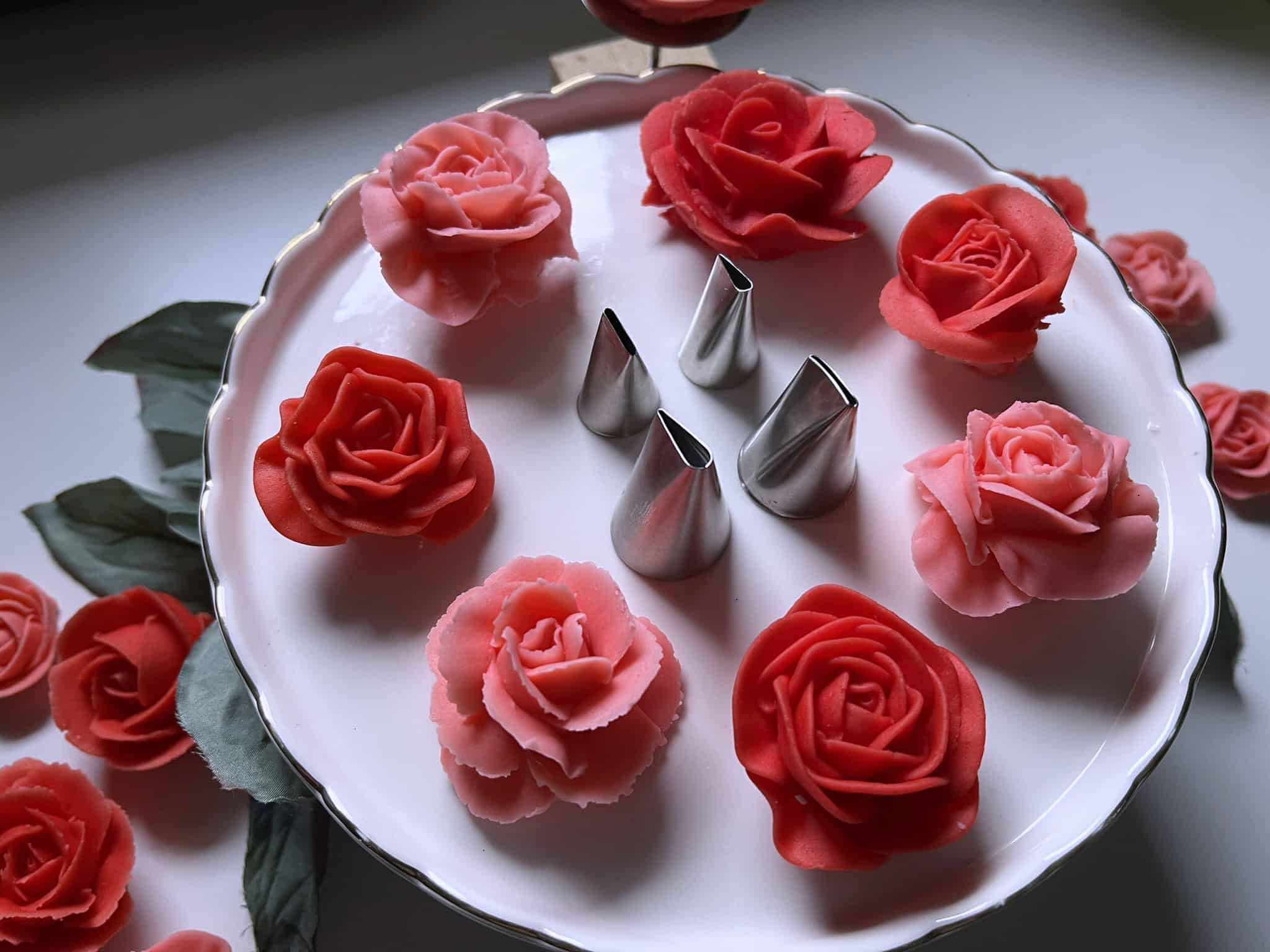
If you’ve ever stood in the cake decorating aisle staring at a wall of piping tips wondering which one actually makes a good rose, you’re not alone. It’s a question I used to ask myself constantly so after many years of decorating and a lot of trial and error, I put together a side-by-side comparison of 4 popular petal tips, from classic Wilton tips to a Korean-style option, so you can see the real differences and choose the right one for your project.
Watch the full comparison in action:
Prefer to read? Keep scrolling for all the details, photos, and my honest recommendations!
Jump To
The Contenders: 4 Piping Rose Tips Tested
I picked these four tips to get a good mix of classic favorites, so you can see how they compare side by side:
- Ateco 150 – Small petal tip
- Wilton 104 – Classic medium petal tip
- Wilton 124 – Large petal tip
- Ateco 124K – Korean-style petal tip
Quick Comparison
| Tip | Petal Size | Best For |
|---|---|---|
| Ateco 150 | Small | Succulents, small detailed flowers |
| Wilton 104 | Small-Medium | Roses (all sizes), most flowers |
| Wilton 124 | Large | Bold roses, large statement flowers |
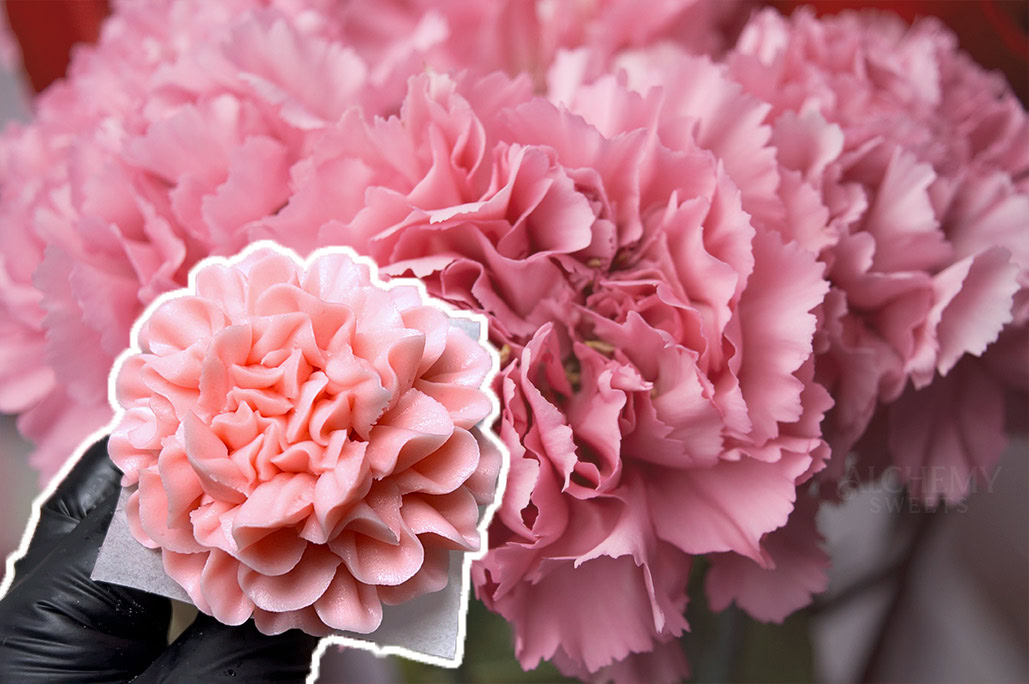
| Ateco 124K | Medium–Large | Ruffled flowers, carnations, peonies |

My Testing Method
To keep this comparison fair, I kept everything as consistent as possible:
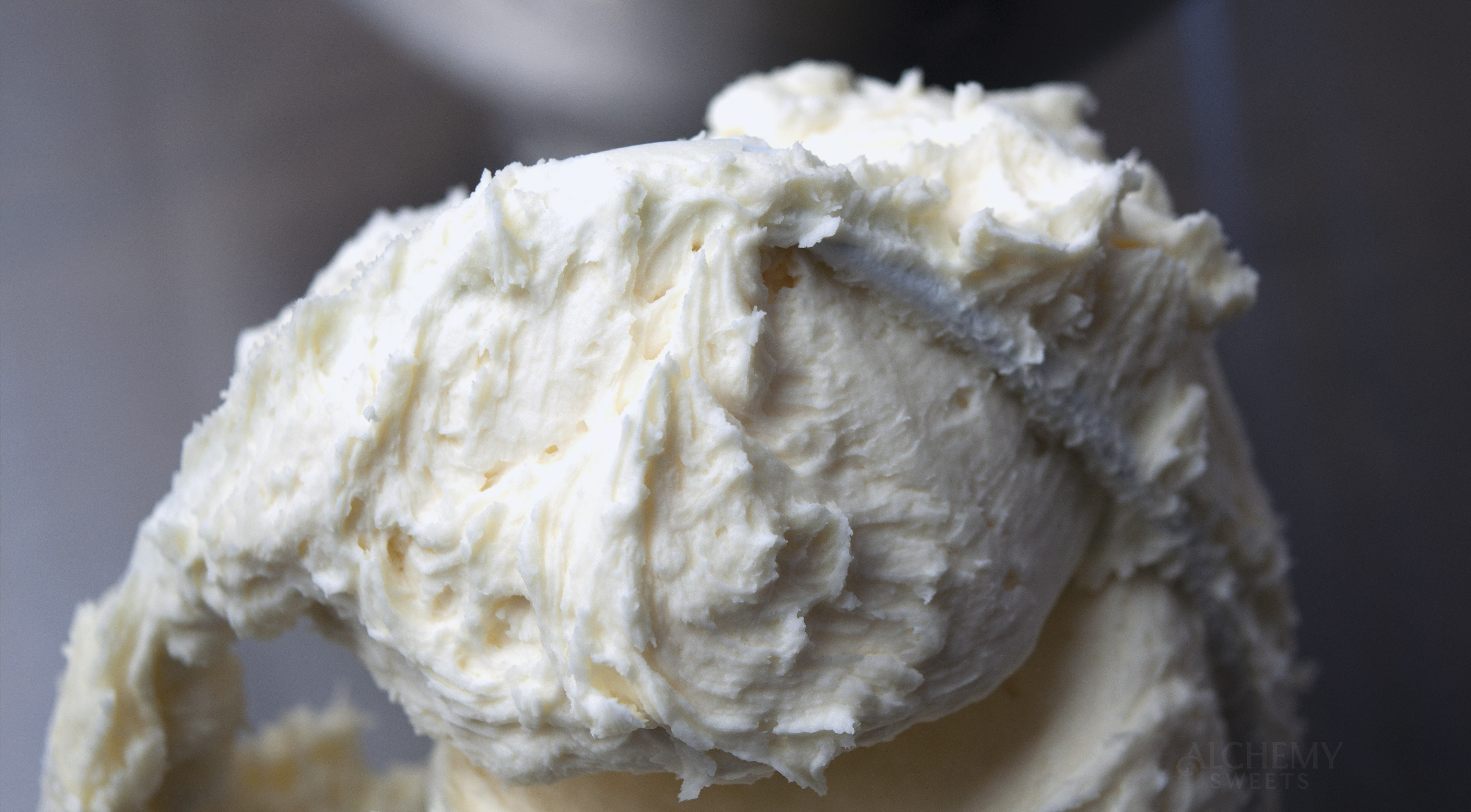
- Same buttercream: I used medium-stiff buttercream for all four tips. If you want to practice at home without wasting good butter, my practice buttercream is great for this. For the real thing, my American buttercream works well across the board.
- Same technique: Each rose started with a center cone, then built up layers of petals around it. (New to piping roses? My step-by-step buttercream rose tutorial walks you through it.)
- Consistent pressure: I aimed for the same pressure across all tips, though I quickly found some (especially the 124K) are far more sensitive to variations than others.
- Multiple roses per tip: I piped several with each to account for natural variation and get a real feel for how forgiving each one is.
What I was looking for: I wanted to see which tips were easiest to work with, which created the most visually appealing roses, and which would be most versatile for different decorating projects

My Experience So Far
Ateco 150 Tip
The Ateco 150 is a smaller tip that produces neat, even petals with consistent width all the way through, unlike most petal tips that taper at the edges. That uniformity gives it a very polished, structured look.
It’s not the most versatile rose tip, but it genuinely excels at detailed, smaller flowers. Succulents are the obvious standout, those thick, consistent petals are exactly what you want for building up layered succulent cupcakes. It also works nicely for small filler flowers and tight rosette-style blooms where you want clean definition.

Wilton 104 Tip
I’ll admit upfront: I’m a little biased here. The Wilton 104 has been my go-to for years, and for good reason.
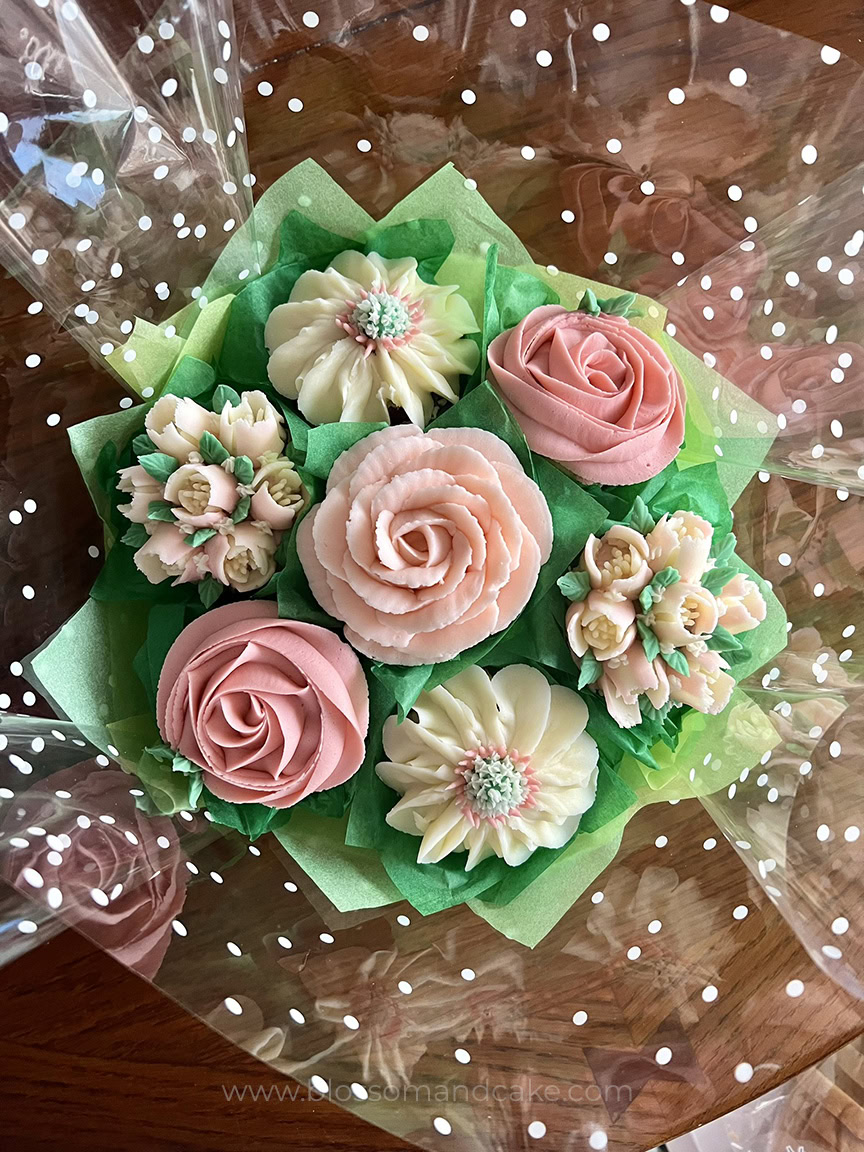
It produces the classic bakery-style rose, fan-shaped petals with slightly ruffled edges, and it’s one of the most forgiving tips you’ll work with. You can pipe everything from tight little buds to full open roses, and it’s also the tip I reach for most when making other flowers like daffodils, tulips, pansies, and sweet peas. If you only ever buy one petal tip, this is the one.

Wilton 124 Tip
The Wilton 124 works the same way as the 104 but is noticeably larger, which means fuller roses with chunkier petals and smoother edges. It covers surface area quickly, so it’s a good choice when you want a dramatic, bold flower that makes an impact without a lot of fussy detail work.
One note: mine is actually a no-name large piping tip set from Amazon rather than an official Wilton, and with minor adjustment it works just as well. The larger opening means it’s also a bit less forgiving of inconsistent pressure than the 104, but it’s still fairly beginner-friendly.

Ateco 124K Tip
The Korean-style 124K is the most technique-sensitive tip of the four, but it also produces the most distinctive results. The curved, elongated opening creates soft ruffled edges on every petal, and the more pressure you apply, the more dramatic those ruffles become.
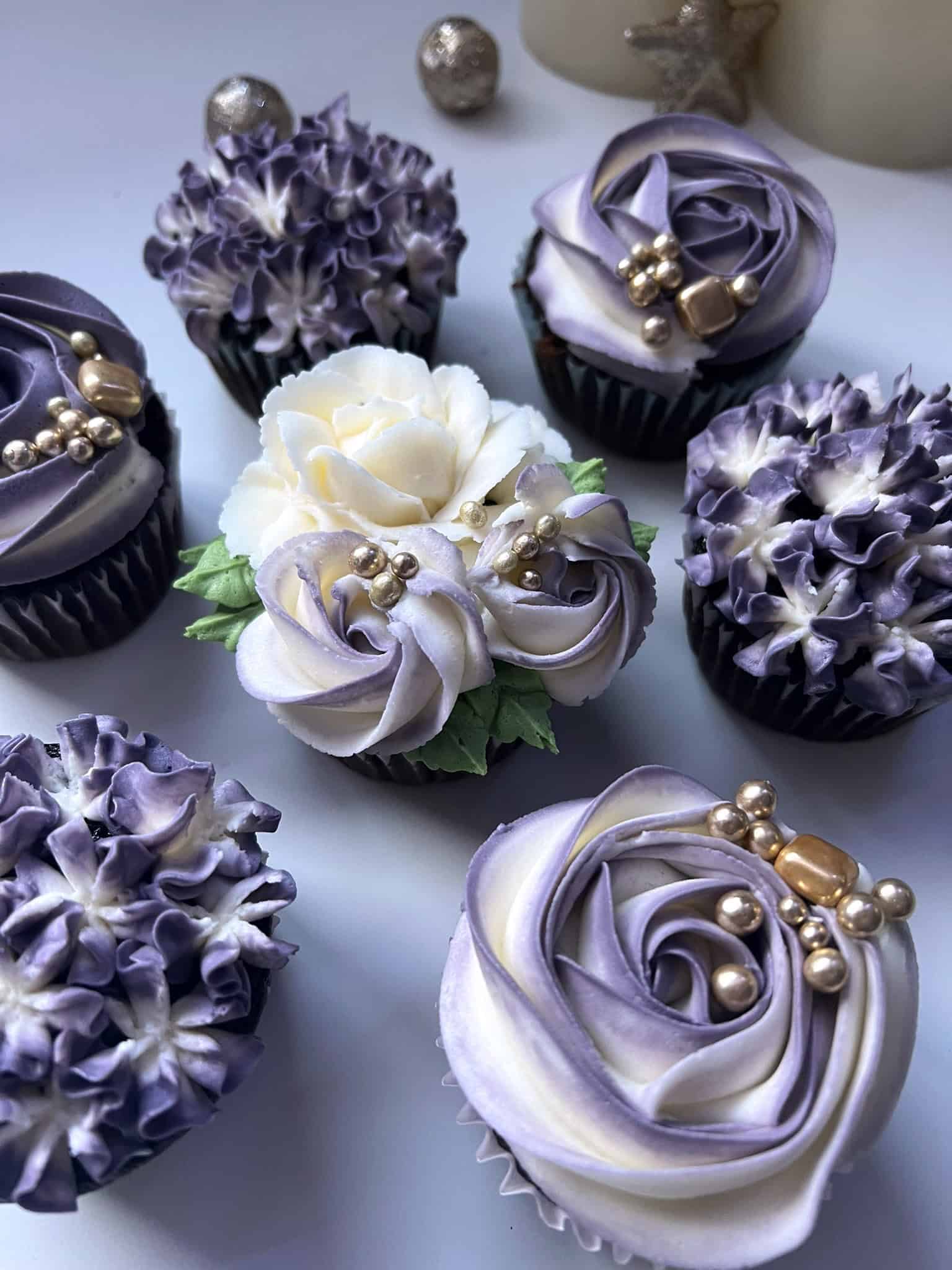
I have a slight love/hate relationship with it for roses specifically. The roses are beautiful, but I actually prefer using it for other flowers where the ruffled edge is the whole point: carnations, peonies, and certain chrysanthemum-style blooms all look stunning with this tip. If that’s what you’re after, it’s worth the learning curve. Just use firmer buttercream and practice your pressure control before committing it to a final cake.

Final Thoughts on Piping Roses with Petal Tips
There’s no single “best” tip here, just different tools for different results. Here’s the short version:
- Wilton 104: The one tip worth owning if you’re just starting out. Versatile, forgiving, and works for almost every flower.
- Wilton 124: When you want bold, full roses that cover a lot of surface fast.
- Ateco 124K: For ruffled flowers like carnations and peonies. Beautiful results, but needs practice and firm buttercream.
- Ateco 150: Precise, consistent petals best suited for succulents and small detailed work.
One thing that applies across all four: buttercream consistency matters more than most people expect. Medium-stiff works well for the 104, 124, and 150. The 124K is pickier, go firmer and keep your pressure controlled.
Want to recreate these in red? Here’s how to make red buttercream without it tasting bitter.
What’s your go-to piping tip for roses? Drop it in the comments, I’d love to know what’s in your kit and whether your experience matches mine!
Not sure where to start? My 100+ Buttercream Flower Challenge series shows these tips in action across dozens of different blooms.
Happy decorating!